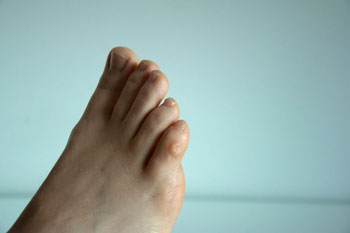
Foot corns are thickened areas of skin that develop when repeated pressure or friction forces the skin to protect itself. While corns are often blamed on tight shoes or excessive walking, the underlying bone structure of the foot is one of the most important and overlooked causes. Corns are not just a skin problem. They are frequently a sign that the bones beneath the corn are creating abnormal pressure points.
The foot is a complex structure made up of many small bones that must align and move correctly to distribute body weight evenly. When certain bones sit higher, rotate, or shift out of their optimal position, they press upward against the skin. Over time, this constant internal pressure causes the skin to harden, leading to the formation of corns. This is why corns often return even after being trimmed or treated on the surface.
Common structural contributors include prominent metatarsal heads, and toe deformities such as hammertoes, bunions, or collapsed arches. These conditions change how weight is distributed across the foot during standing and walking. As a result, specific areas experience excessive force with every step. The skin responds by building thicker layers to protect the tissues underneath, which can become painful and inflamed.
Bone structure-related corns are often deep and tender because the pressure originates from within the foot rather than from external friction alone. Treating only the skin does not address the true source of the problem. Without correcting the structural imbalance, corns can continue to grow, cause discomfort, and interfere with mobility and quality of life.
A comprehensive approach focuses on identifying how the bones of the foot are functioning and where abnormal pressure is occurring. Treatment may involve improving foot alignment, redistributing pressure, supporting proper movement, and reducing stress on affected areas. This approach not only relieves pain but also helps prevent recurrence.
If you are struggling with recurring or painful foot corns, a podiatric evaluation can make a meaningful difference. Addressing the underlying bone structure rather than just the surface symptoms can lead to lasting relief. Book a consultation today to take the first step toward healthier, more comfortable feet.
